Wednesday, 20 June 2018

Bentley Acquires Synchro

This is a very good news for the infrastructure industry worldwide!

Bentley acquires Synchro.



Since I started implementing 4D planning across construction businesses Synchro has always met our 4D planning expectations and exceeded many times.

In the recent years I have started engaging with the Infrastructure industry and therefore with Bentley suite of products. In the infrastructure world Bentley is the global leader in terms of BIM / Digital Engineering.

Combination of Bentley and Syncho means only one thing to the infrastructure industry, IMHO. 4D Planning is sorted for the Infrastructure industry now!

For full press release CLICK HERE.


Sunday, 21 January 2018

Autodesk University India

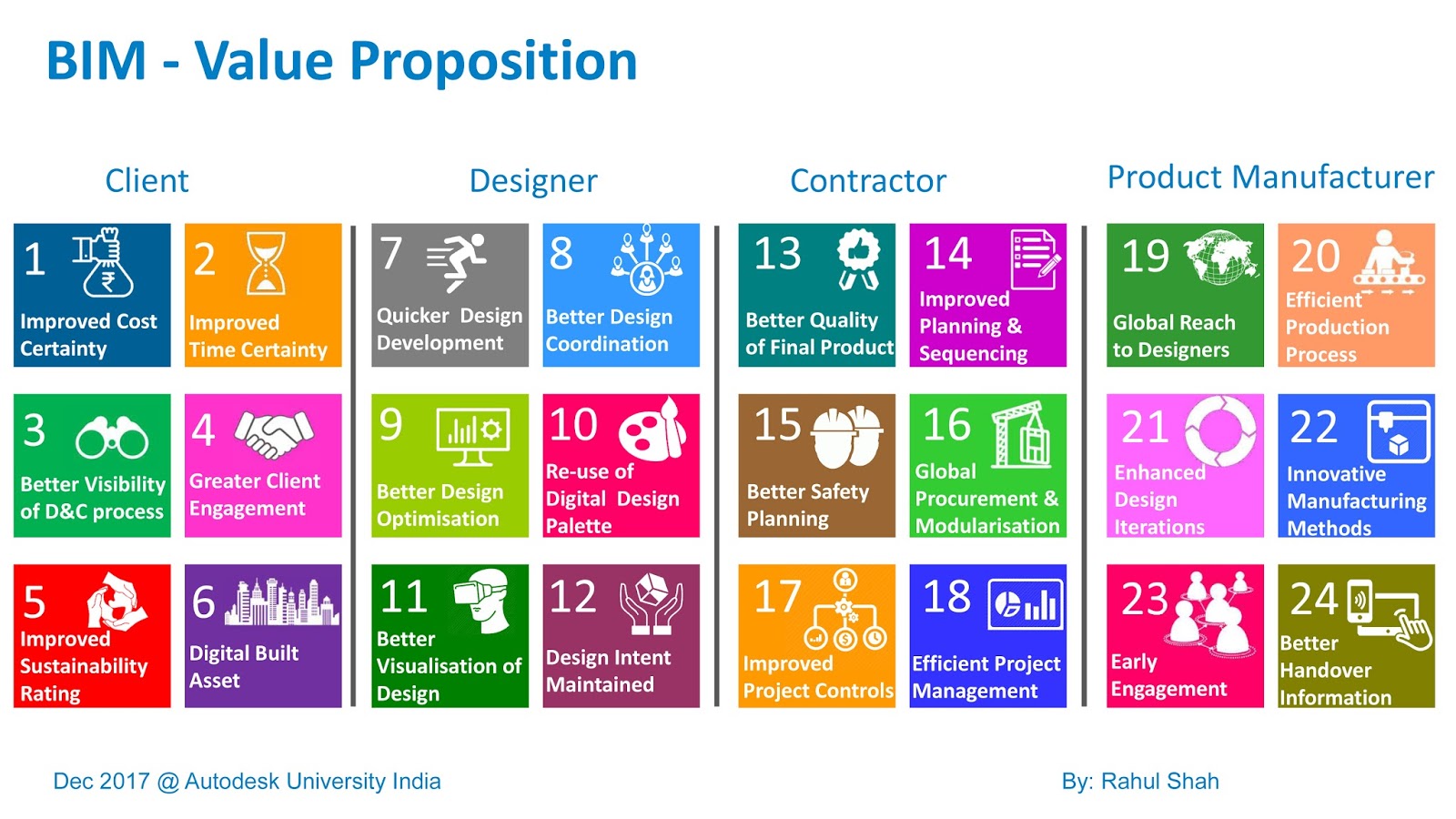
In December 2017, I was privileged to be invited to deliver a talk on BIM and Business Value at Autodesk University India in Bangalore. Thanks Autodesk India for giving me this opportunity.

For my blog readers in India and globally, here is the essence of my talk. Pls note that I have deliberately avoided 'cost benefits' of BIM as I genuinely believe that cost and time savings would automatically come as resultants of these value added activities. The focus needs to be on better outcomes for the environment and society through these value added activities.


 If you want to read the above image with a bit of fun then see the video recording of my talk below.


Wednesday, 1 November 2017

Don't Just Copy/Paste UK BIM Level 2 Standards

In the last decade or so, many nations have adopted BIM policies and standards at the national level and there are currently many nations in the planning stage of national level policies. This is hugely encouraging for the 'digital natives' and global industry in general as the construction industry is lagging way behind in the technology adoption and productivity improvements. I am sure you would have come across many research papers and graphs proving this point.

Image Credit: BICP Global BIM Study - Lessons For Ireland's Programme
Finland, Denmark, Netherlands, Hong Kong and Singapore have been some of the early adopters (and trend setters) of national level standards and / or mandates. UK, Scotland, Qatar etc followed the path and developed their own national standards / guidelines / mandates.

One thing is very common in the countries I mentioned above. They all have their own unique national level standard / guideline / mandate. And rightly so. Each country has its own procurement models, contracts, culture and in general...way of doing things. So simple 'copy and paste' will definitely fail.

Being in India for the last six months, I am noticing that there are many consultants promoting UK BIM Level 2 standards in this market and advising clients to simply copy/paste UK BIM Level 2 standards. I can understand why, because there is no national guideline or standards in place here. However, simple copy/paste will NOT work unless you are working on a project in the UK and supporting them from India. For projects in India, simple copy/paste will be a BIG disaster. Take my word for it.

To all clients, consultants, contractors, sub-contractors, public authorities, government bodies in India and my blog readers who are working in India, please consider the above point very seriously if you genuinely want to promote 'BIM way of doing things' in India.

UK BIM Level 2 standards are a great starting point as a reference, but I strongly believe that India must develop it's own BIM standards / guidelines / mandates that is suitable for the Indian construction conditions, procurement models, contracts, culture and 'way of dong things'. This is the only way to influence social, environmental and economical outcomes in a positive way enabled by digital technologies in the construction industry in India.

For those of you who are not familiar with the UK BIM Level 2 standards, you can visit http://bim-level2.org/en/standards/

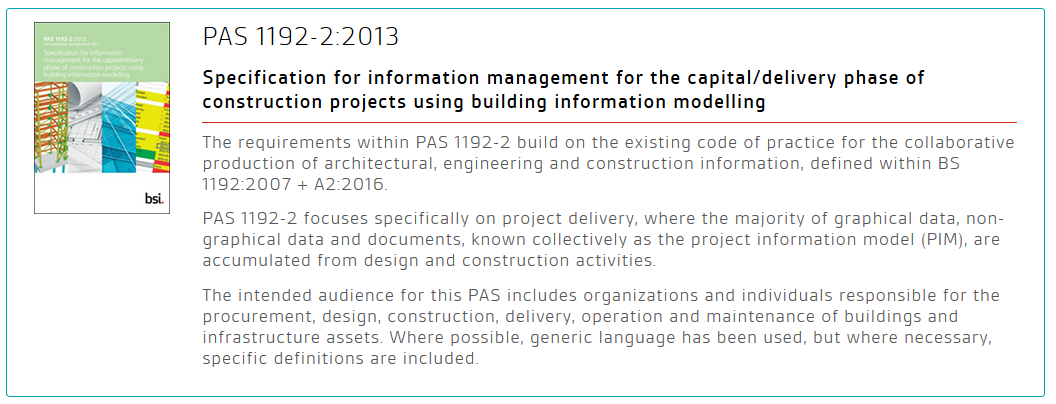
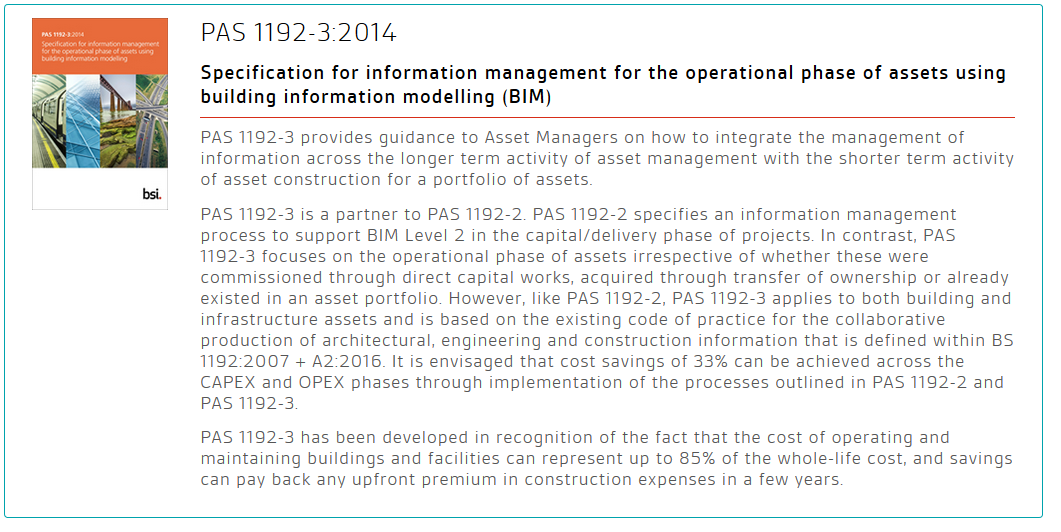
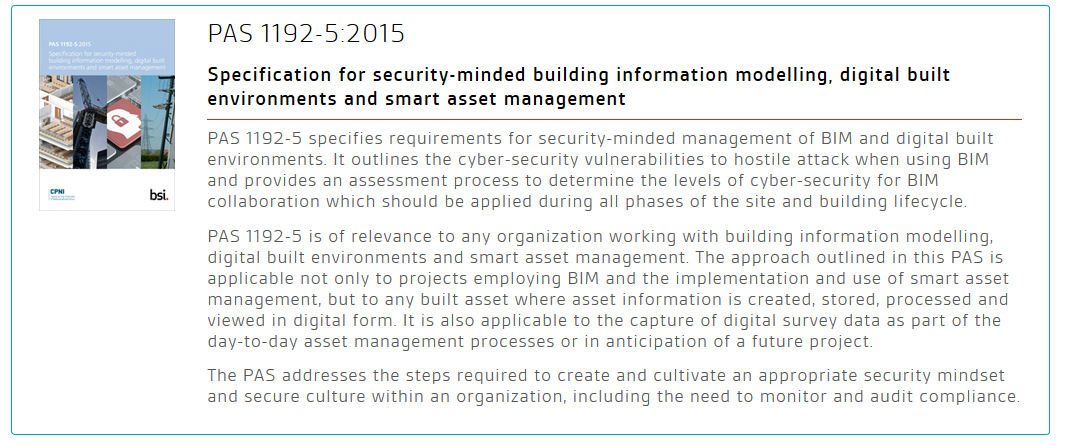
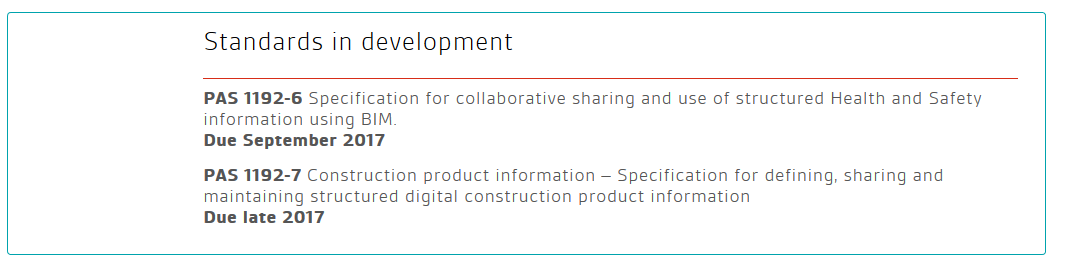
I copy list of standards here for your ready reference too. All PAS 1192 series standards are not formal standards, they are Publicly Available Specification or PAS  that closely resembles a formal standard in structure and forma. 


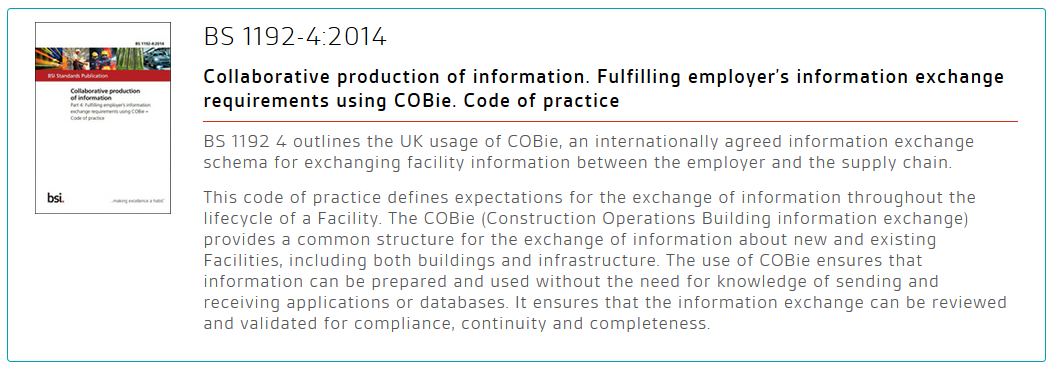
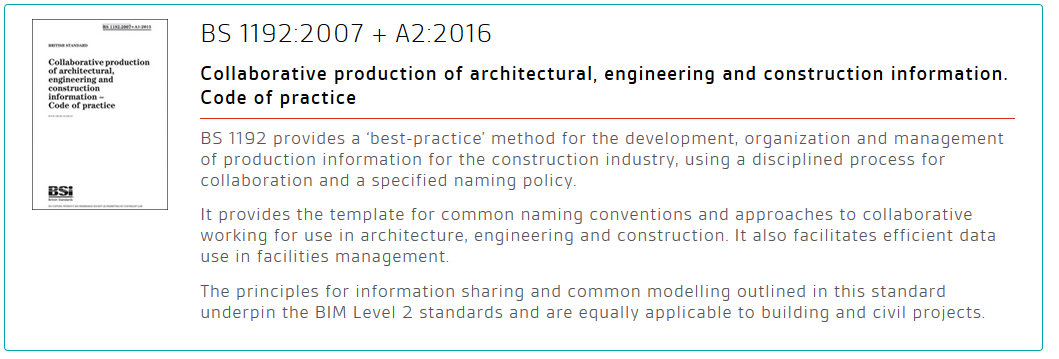
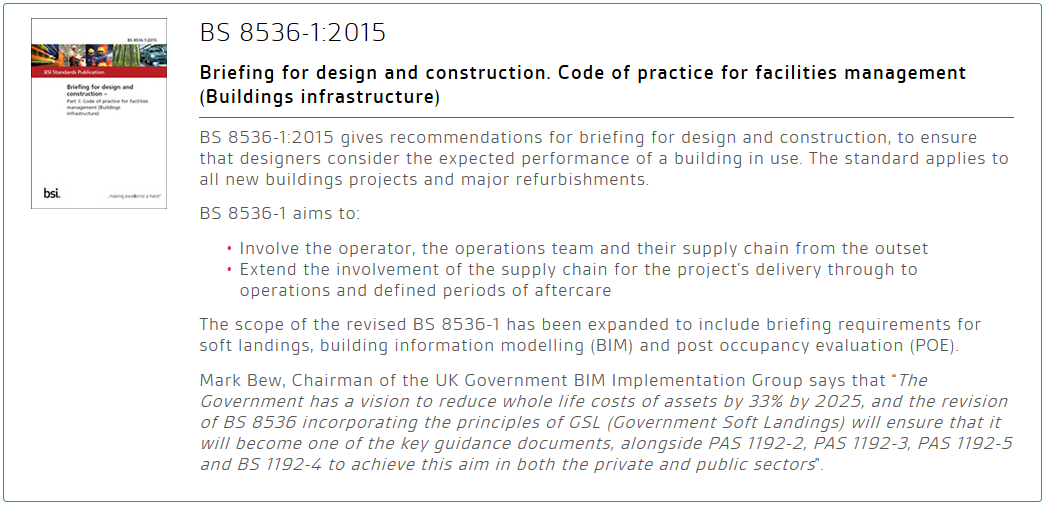
The following BS standards are formal standards and to be honest they are my favorite ones in the BIM world except one (you know which one I am talking about!).


If you have any queries on any of the above UK BIM PASs or BSs please feel free to contact me and I would be happy to help as much s I can.

Saturday, 28 October 2017

Unsafe Construction Site

 To: Brent Council

Last week I was out in a local shopping area in Wembley, London and had to park my car near Montrose Crescent where Formation Group PLC construction site is in operation.

As I was approaching the car parking pay meter, which was located right adjacent to the site boundary, I was shocked to see a heavy material dangling from a crane exactly above the pay mater WITHOUT any pedestrian protection walkway. Seriously? I haven't seen a construction site with such a poor safety planning for pedestrians in my working life before.


I had to wait for almost 30mins until crane operation is finished so that I can go to the pay meter and pay for my car parking. Also, there is a very busy bus stop next to the pay meter where a lot of travelers wait for the buses throughout the whole day, WITHOUT any safety protection walkway in place and WITH heavy materials dangling above them. Shocking!


As a common sense when heavy materials or equipment are being hoisted, some kind of hazard prevention (either protection walkway or safety nets) is necessary to prevent exposure to hazards associated with any kind of problem with the hoist or fall of material. Can you please investigate this site and get necessary measures in place?

To: Formation Group PLC

I notice that you are running a 'Safe Crane Campaign' on this site. Clearly it isn't working for the pedestrians. Do you care to improve pedestrian safety on this site?


If so, It would be useful to have a protection walkway provided for pedestrians to prevent potential hazards.


Friday, 29 September 2017

Larsen & Toubro

I am pleased to announce publicly that I have joined Larsen & Toubro Construction as their Head of BIM Strategy.

Look forward to collaborating with L&T supply chain, clients, BIM eco system and academia in Asia and Middle East.

http://www.larsentoubro.com/


To all #UKBIMCrew and #GlobalBIMCrew friends, as we are part of a CDE (Common Digital Eco-system) I look forward to continue our collaboration on all things #BIM and #DigitalEngineering. Also, I am very keen to bring world class Digital Engineering solutions at L&T so if you are interested in any 'BIM / Digital Engineering' collaboration opportunities at L&T then please feel free to contact me.


Friday, 24 March 2017

Change

I have heard some rumours about my role at Lendlease from internal as well as external well-wishers. Thank you for expressing your concerns about my role and future. This blog post is dedicated to you all well-wishers and of course my blog readers.

Firstly, some of you have guessed it right! I have resigned from my role of Head of BIM, Europe at Lendlease, finishing by the end of March 2017.

It's been a fantastic experience working at Lendlease getting involved with a lot of strategic initiatives as well as some of the most complex and quite challenging projects, i.e. Rathbone Square, Elephant & Castle, International Quarter London, Deptford, Wrexham prison, 150 Bishopsgate, 245 Hammersmith, Google HQ London to name the few. I was also privileged enough to get an opportunity to implement BIM and the required change programme from top-down as well as bottom-up and everything in between! 

My role at Lendlease posed some of the toughest challenges I ever had before. However, I was able to succeed in most of my initiatives mainly due to the following four reasons:

1. First and foremost, having the best internal BIM team. A great team (and not a group of people) with the right attitude toward driving the necessary change with passion, resilience and full energy. A massive thanks to all of you BIM’ers!  Keep up the good work!

2. A wonderful internal ICT team and their continuous support in meeting the demands of the required change programme. Thank you all in the ICT team for your kind cooperation and continuous support. 

3. Having some of the best (local as well as global) professionals, project leaders and colleagues around me supporting the BIM implementation with great enthusiasm and passion. Special thanks to the Rathbone Square project team. What a great team! 

4. Fortunate enough to work for some of the best Clients and work with some of the best supply chain members who are truly driving the BIM agenda in the industry. In particular, Great Portland Estates and their continuous leadership and support on project such as Rathbone Square as well as industry wide BIM initiatives. My experience on Rathbone Square has reinforced my belief on the importance of Client leadership and positive collaboration required to implement BIM and Digital. I can’t thank Great Portland Estates enough for their support and leadership.                  


Last but not least, I thank Lendlease for giving me such amazing opportunities during my time. I have gained invaluable experience and learned a lot from some of the best brains in the industry. I wish everyone at Lendlease and people I have worked with through Lendlease all the very best. 

So what’s my next home? Well, I am getting closer to my home so stay tuned! Have a great weekend.

Thursday, 12 May 2016

Level 2 BIM Overview

Yesterday I shared "my thoughts" on an overview of Level 2 BIM at the BSI BIM conference in London. 

The following video shows a couple of key slides that I though would be useful to share with the industry wide #UKBIMCrew. 


Tuesday, 23 September 2014

Level 2 BIM and Lead Designer Responsibility

First of all, I am quite pleased to hear that NBS team has won to finish the missing pieces in level 2 BIM puzzle. Well done team NBS. Many congratulations.


  1. Digital Plan of Works
  2. A unified classification system

Link to the official NBS article.

Personally, I genuinely believe that these two pieces of Level 2 BIM are deal breakers in many ways to realise our Level 2 BIM dream.

I am looking forward to learn more about DPoW tomorrow at "BIM Through Plan of Works" event.

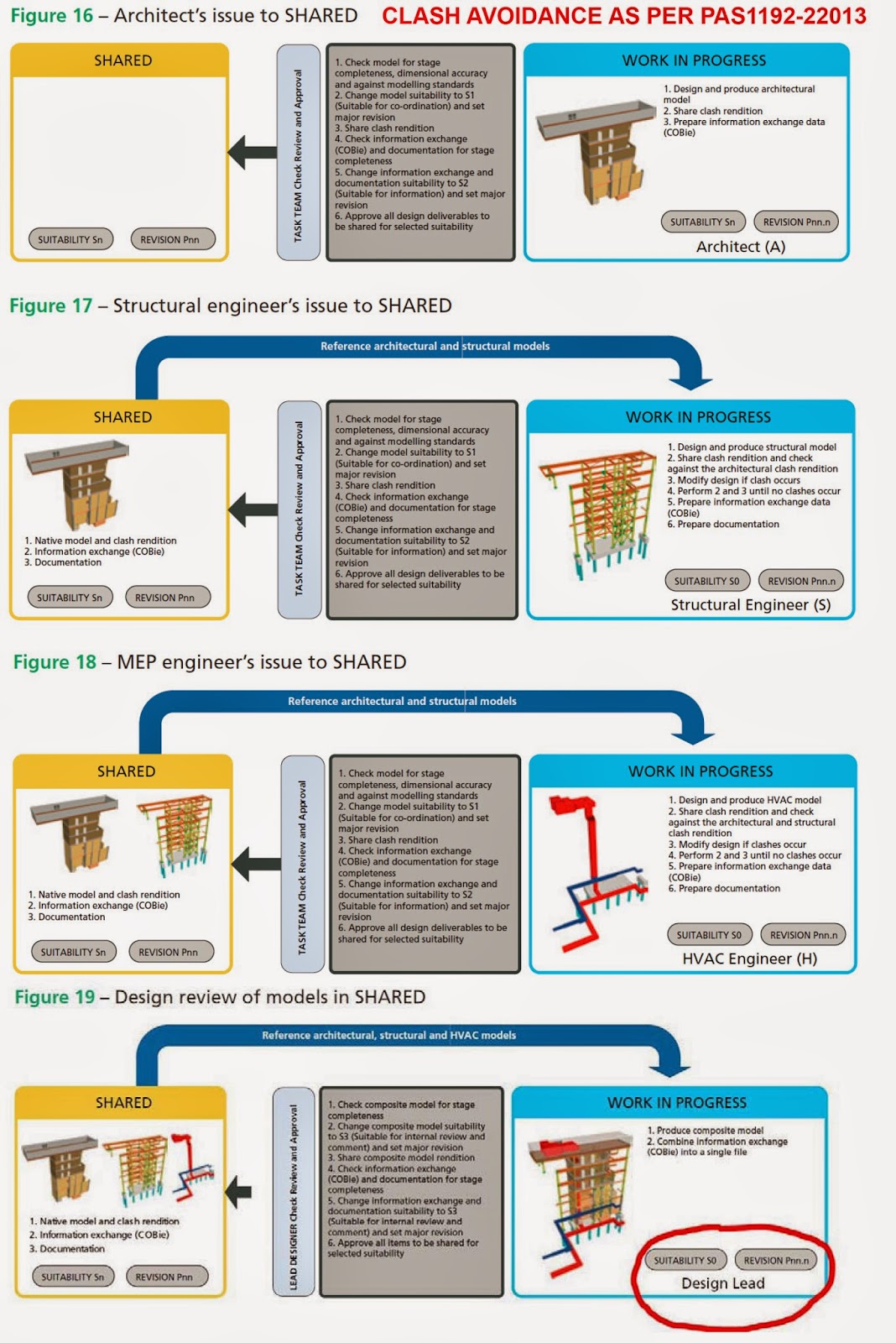
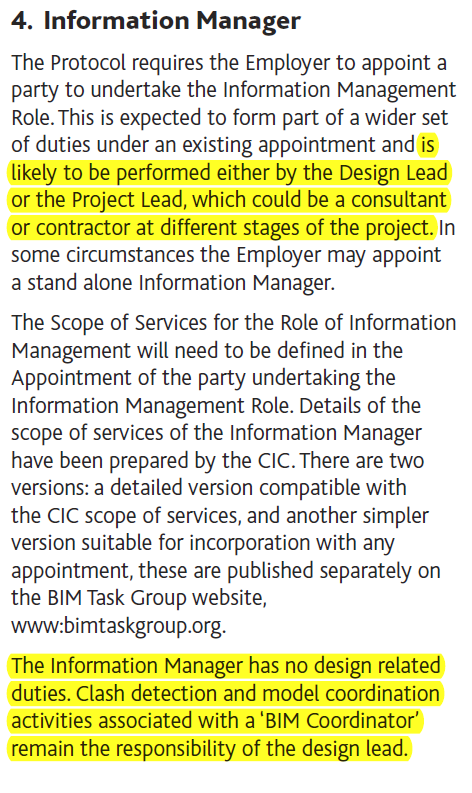
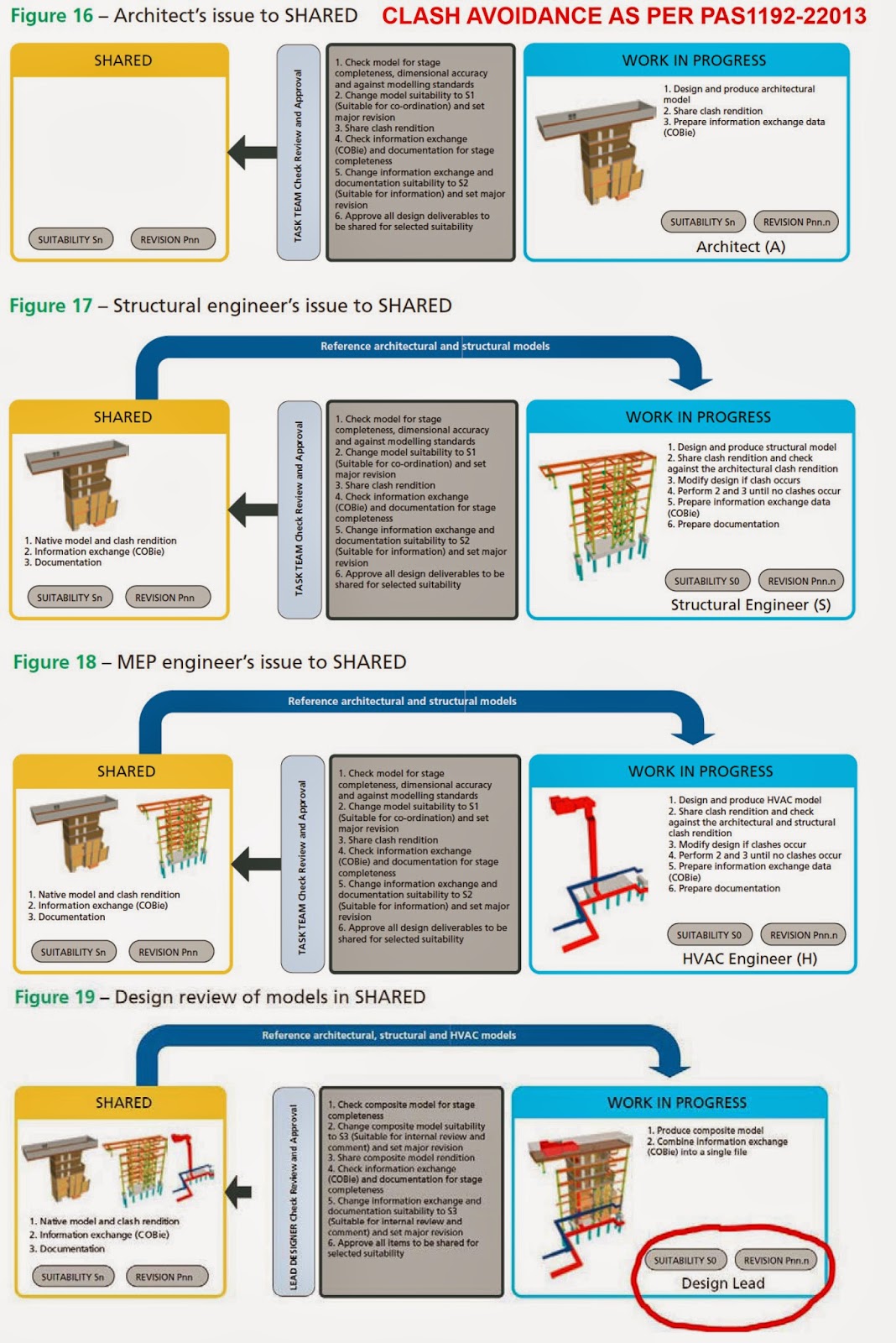
However, just focusing on Level 2 BIM and lead designer's responsibility in terms of design coordination, the following extracts from PAS1192-2:2013 and BIM Protocol summarise it all.

Design coordination through BIM can only be the most effective/efficient if lead designers (and main contractors post novation) start using BIM as a way of coordinating design as per PAS1192-2:2013 section 9.4.


Image Courtesy: PAS1192-2:2013


Image: An extract from CIC BIM Protocol

Monday, 8 September 2014

Trimble acuires Gehry Technologies

Back in 2012 Trimble announced strategic alliance with Bently. Two years later, Trimble makes another big step forward into AECO BIM world and acquires Los Angeles based one of the best design and project management solutions providers; Gehry Technologies.

This is going to be a game changer in terms of construction and operation BIMs.

"The alliance combines deep Architecture, Engineering and Construction (AEC) industry experience with advanced construction technology to empower visionary designers such as Gehry Partners to build groundbreaking projects on time, under budget and without change orders—enabling designers, builders and operators to collaborate more efficiently."


FULL ARTICLE

Friday, 5 September 2014

Tuesday, 1 July 2014

Simplifying UK Level 2 BIM

BIM is getting more and more ambiguous/complex for clients, for trades, for designers, for contractors etc.
Is it because the UK BIM industry makes it sound more complex or is BIM that complex in reality? 

Personally, I dont believe that UK Level 2 BIM is complex at all. The government has done a great job articulating Level 2 BIM through PAS1192-2, PAS1192-3, COBie-UK-2012 (BS1192-4 Draft), CIC BIM documents. I genuinely like those standards and try and put them in practice in my daily work life except one thing! Those of you who know me knows very well what I am referring to here!-;) That is because I yet have to see the true value of that thing for our design team, for our trades team and for our construction team and have to see the true value for clients even! I am not saying there is no value but in it but I yet have to see the value for the entire project team.

Sometimes I struggle with putting these UK BIM standards in practice with the designers whereas to my surprise most of the trades embrace them with two hands. 

Education, education, education!

As per the above UK BIM standards, UK Level 2 BIM means we target the following (particularly on publicly procure jobs); bearing in mind that BIM is for information only and 2D documents are contractual deliverables for procurement and construction:

BIM during design phase (RIBA 1-4)

1. Use 3D BIM to author 2D design documentation (up to LOMD as per PAS1192-2)
2. Use 3D BIM to coordinate design (using 3D federated/combined model)
3. Use 3D BIM to review design (using 3D federated/combined model)
4. Use 3D BIM to generate COBie drops 1 to 2b (Information exchange)

BIM during construction phase (RIBA 5)

5. Continue using 3D BIM to coordinate trades design with the design intent
6. Use 3D BIM to author trades' 2D design documentation (up to LOMD as per PAS1192-2)
7. Use 3D BIM to generate COBie drop 3 (information exchange)

BIM during handover/practical completion (RIBA 6)

8. Federated 3D BIM model (ideally in IFC) and Native 3D BIM models
9. COBie drop 4 spreadsheet (Information exchange)
10. 2D PDFs, O&M files etc

From what I understand, the underlying principle of UK Level 2 BIM is to mitigate design and construction risks using 3D BIM; therefore save 20% cost in capex as per the UK BIM strategy.

If this is Level 2 BIM then isn't this as simple as eating a piece of a cake? 

What do you think? Please share your thoughts in the comments below. 


Monday, 12 May 2014

Starting With Lend Lease UK

I am pleased to announce publicly that I have joined Lend Lease UK as their Head of BIM.

I look forward to collaborating with Lend Lease supply chain (designers, sub-contractors, and BIM consultants) in terms of BIM based project delivery.

Monday, 28 April 2014

End of Brookfield Multiplex Journey

As some of you (#UKBIMCrew) have already heard I have stepped down from my role at Brookfield Multiplex.

It's been a great time at Brookfield Multiplex working  on some of the most complex and quite challenging projects.

I have been fortunate enough to work with some of the best construction professionals, leaders, and team mates during my time at Brookfield Multiplex. I was also privileged enough to engage with some of the best supply chain partners (designers as well as sub contractors) during my time with regards to collaborative BIM.

I thank Brookfield Multiplex for giving me amazing opportunities during my time. I have gained invaluable experience in terms of implementing BIM at the business level at such a large organization as well as integrating people at all levels. I wish everyone at Brookfield Multiplex and people I have worked with through Brookfield Multiplex all the very best.


Thursday, 20 March 2014

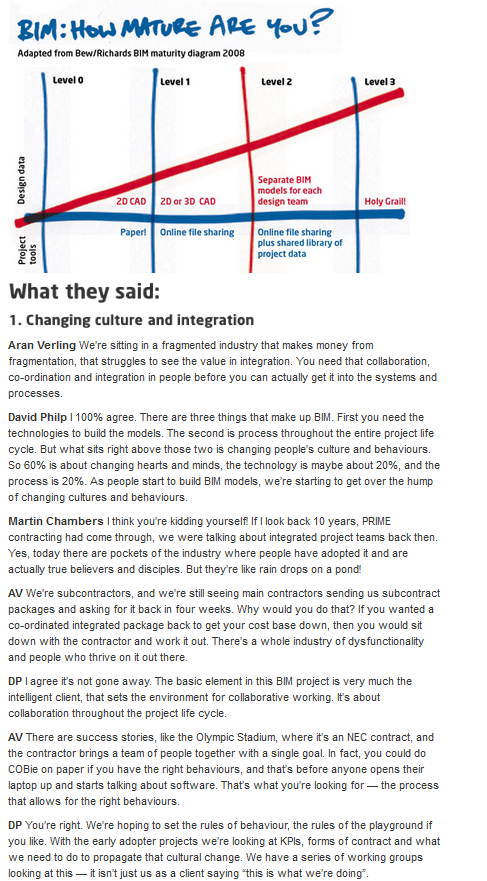
BIM Implementation - Culture Change and Integration

BIM presents a major change in the way we design, document, construct and operate assets. Looking at the current trend of BIM adoption at workplaces and educational institutes, two distinct work forces are emerging and will continue in the foreseeable future

(1) Digital technology savvy young workforce with culturally diverse multi-taskers and non-traditional work agenda

(2) Senior professionals with deep experience and traditional work values and ethics

The challenge for businesses is to establish a work culture where young BIM savvy work force and senior professionals integrate more efficiently to provide the best of both worlds to their own business as well the clients.

Back in 2012, I published a blog post on this very matter. Please CLICK HERE to read the blog post.

At national/industry level this culture change/integration challenge is even bigger. I don't have enough credential to comment on this so I will use a relevant material here for the reference.

Please see an image below which is an extract from the article published last year in Construction Manager. To read the full article CLICK HERE.

Image: An extract from the article published on Construction Manager


Monday, 10 February 2014

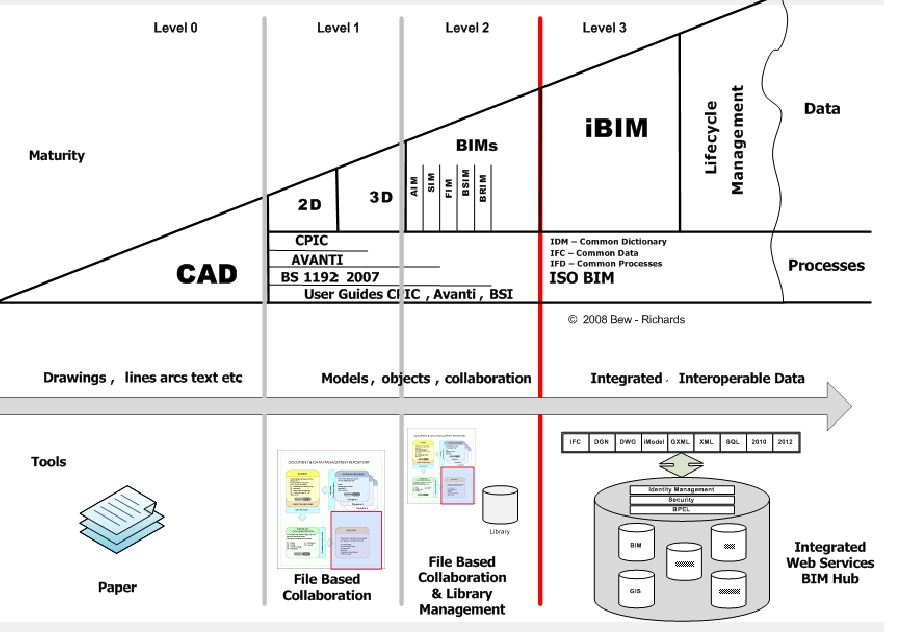
Stop Referring to Level 3 and Level 4 BIMs

Do they even exist? Does anyone know if Level 3 and Level 4 BIM exist?

In my opinion they DON'T exist yet. They might in the future future (definitely Level 3 BIM) but not at this moment in time. To be honest, many in the industry are struggling with Level 1 and Level 2 let alone Level 3 or Level 4??? Technologically and contractually, Level 3 and Level 4 (I don't even know what Level 4 BIM is) BIMs are not possible.
My polite request to developers, lawyers and project managers: Please do not refer to Level 3 and/or Level 4 BIM in your BIM requirements. They don't exist at this moment in time. (full stop)

For reference, see the famous diagram below. The UK industry is targeting to achieve Level 2 BIM (private clients as well as government) by 2016. Level 3 BIM is an idea at the moment and not defined fully.


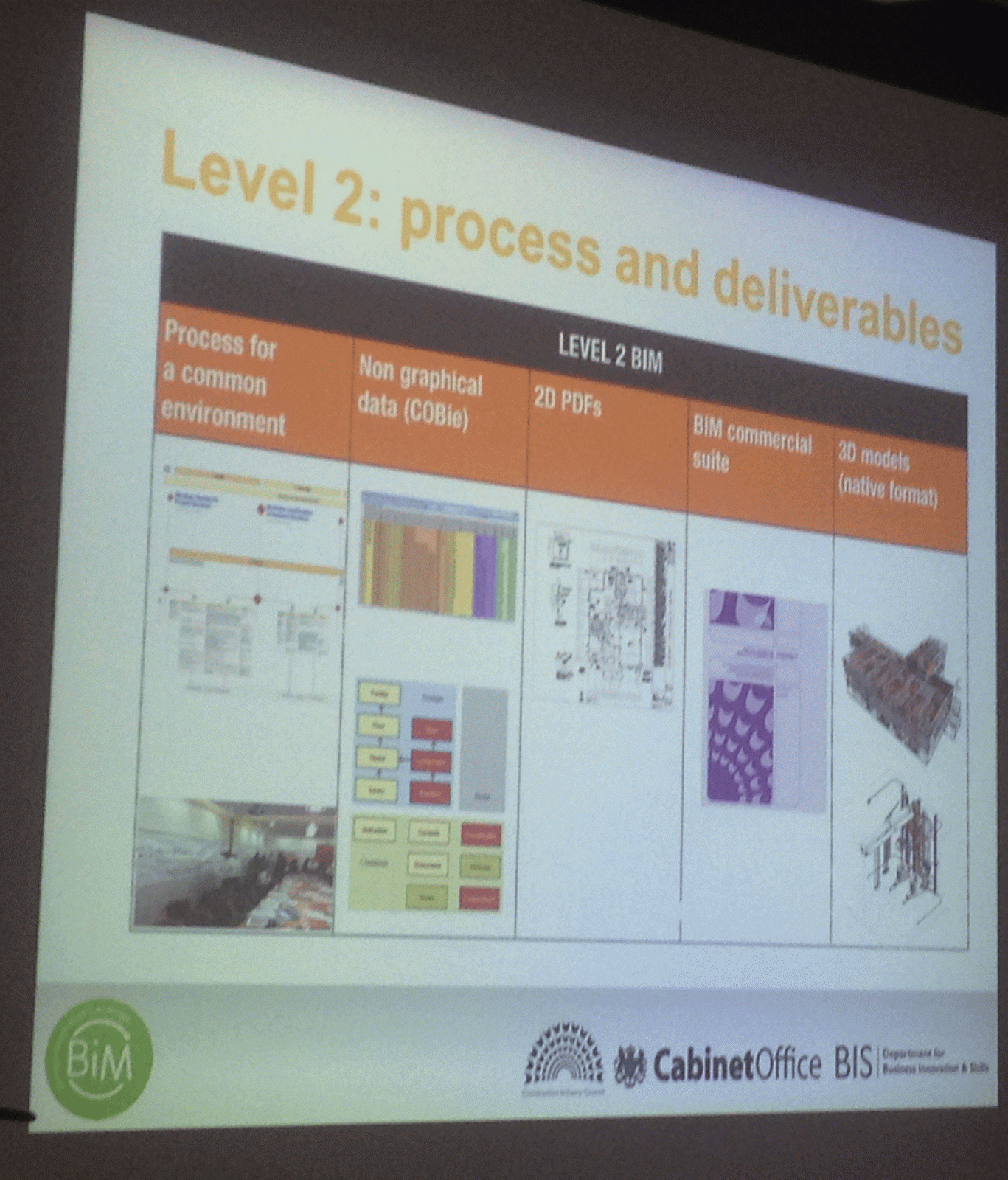
So what is Level 2 BIM? What BIM deliverables should be included in a project that is aspiring to achieve Level 2 BIM?

See an image below that concludes everything. This was taken during a presentation by our 'BIM Mayor of London'. You know who he is!


In summary:

Level 2 BIM includes:

  1. CDE platform
  2. non-graphical data, either COBie or client specified data format
  3. 2D PDFs
  4. BIM protocol documents
  5. 3D models, native as well as a federated

Level 2 BIM DOESN'T mean***:

  1. Live cost data to  BIM models
  2. Live time data to BIM models
  3. Live FM data to BIM models
  4. Live asset management data to BIM models

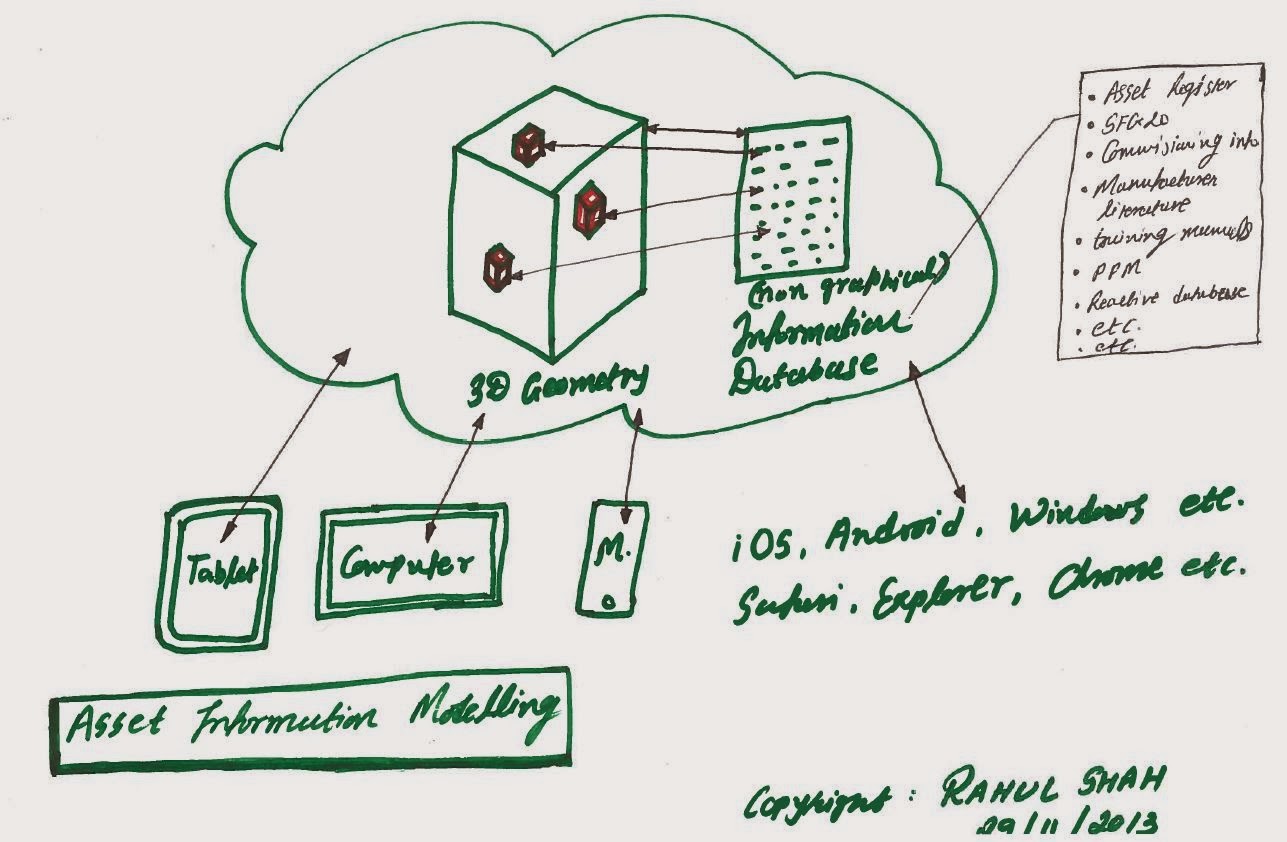
***NB: All of the above "DOESN'T mean" can be linked with 3D geometry produced by Level 2 BIM process. In other words, 3D geometry produced as a result of Level 2 BIM process can have external link to a database that holds FM/AM/Cost information or in some cases that information can be embedded within 3D geometry. Also, if you manage to achieve all of the above "DOESN'T mean" doesn't mean that you are doing Level 3 or Level 4 BIM. You are still in 'silloed' Level 2 BIM where everyone works in their own BIM environment and contributes to a federated BIM environment.

Wednesday, 5 February 2014

Three Levels of BIM Implementation

From UK perspective, there are three (key) BIM Implementations levels that every business should be aware of and be engaged at.

The list below goes from smallest to biggest in scale.

1. Project Level
2. Business Level
3. National Level

Assumption: Council level implementation is included in National level.

PROJECT LEVEL BIM IMPLEMENTATION

This is the easiest level and smallest level of three. By now, most of us in UK are (should be) aware of necessary ingredients of successful BIM Implementation at project level. Some of which are:

  1. BIM Execution Plan (first and most important task)
  2. BIM Protocol (or BIM scope of services for project team)
  3. BIM trained project team
  4. Clearly defined project specific BIM roles, responsibilities and deliverables (part of BEP)
  5. BIM capable IT infrastructure
  6. Clear and regular communications
  7. Commitment

There is a plenty of guidance and material available at this level. BIM Task Group website is your official portal for this. EIR, PAS 1192-2, BS 1192:2007, plethora of BEP templates available on the web and CIC Information Manager scope of services are some of the important documents that can be useful in this.

To supplement this guidance material, there are plenty of project case studies published in the UK media as well as shared at BIM conferences around the country.

To summarise, we have plenty of proven case studies and guidance material available to guide you to achieve successful BIM Implementation at project level. While I am at this, I wouldn't mind sharing 100 Bishopsgate BIM Implementation link here as a reference.

BUSINESS LEVEL BIM IMPLEMENTATION

This one is a tricky one. I have seen a lot of companies (failing) struggling with BIM because they either ignore the business level implementation completely or didn't give enough importance to it.

So why is business level BIM Implementation so important and should be addressed first before you address project level implementation? Mainly, because if the business is not clear about why it is implementing BIM then the project team is going to make their own assumptions and use BIM in a non-structured way without meeting any business goals.


Some of the items you should look at:

  1. BIM will involve considerable time+money investment so first of all business drivers behind its implementation need to be defined and understood. Without this you cannot go further in your BIM journey. 
  2. Define and understand your business BIM deliverables/capabilities targets
  3. Set yourself phased targets to achieve your BIM  deliverables/capabilities targets
  4. Define and understand Finance+IT+People resources required  to achieve your BIM deliverables/capabilities targets
  5. Define and understand change management process required to achieve your business BIM deliverables/capabilities targets and sustain that change
  6. Define and understand a plan/platform for BIM knowledge management
  7. KPIs
  8. Finally capture all of above (and any additional things you may want to cover) in a document and name it "BIM Implementation Strategy and Action Plan"
This is it. Simple as that.

Actually, not. It is not as simple as this list of 8 bullet points. Business level BIM Implementation requires you to think deep and many more issues such as:

  1. How is your legal team going to integrate BIM your contracts or respond to contracts you receive where BIM is mandatory?
  2. How are you going to supplement your bids team with additional skill for BIM technical submission?
  3. What is your HR plan for BIM team career progression?
  4. If you are a contractor, how are you going to integrate BIM within design management, QS, H&S, Planning, QA, Procurement, M&E, Commissioning etc.?
  5. Many more...list goes on and on

So it sounds like this level of BIM Implementation is very important. YES it is. Is there enough guidance and case studies available in the industry to address this? Unfortunately, NO. There is very little guidance and real case studies available on this matter. And to be honest, this is the area where majority of the companies could benefit by some guidance on. There are some case studies available but they mainly focus on ROI etc and shade very little light on how to integrate BIM at the business level irrespective of cost. To be honest, I have never understood the point of BIM ROI; maybe I am naive. Anyway, this is a discussion for some other time or may be not.

To summarise, Business Level BIM Implementation is the most important level and should be looked at first before you look at the Project Level BIM Implementation. However, to my knowledge there is no (real) guidance material available on this. I would be happy to be wrong on this comment. If so, please direct me and my blog readers to any material that you think can help with this matter.

NATIONAL LEVEL BIM IMPLEMENTATION

BIM Task Group. (full stop)

In addition to the above link:

CIC
CPIC
NBS
National BIM Library
RICS
BIM hubs
BuildingSmartUK
BS
Various BIM4 groups
Various RUGs (and NUGs, AUGs, BUGs, TUGs, SUGs etc)

etc.
etc.


NB: My apologies for not including links to above; running out of time.

I don't have credential to say more on this level of BIM Implementation as our authentic national figures such as David Philip, Mark Bew, Mervin Richards and many others are driving BIM Implementation at UK level with success. And I am proud to be part of this implementation effort through my engagement at business level + project level BIM Implementation and public forums.

To summarise, BIM Implementation at UK level requires all publicly procured project to use Level 2 BIM by 2016. There is plenty of material available on this matter. Just visit the first link in this section.


Having shared my views on these three levels of BIM Implementation, in year 2014/2015 I hope we see some guidance material on Business Level BIM Implementation in UK BIM conferences or public media.

Thursday, 19 December 2013

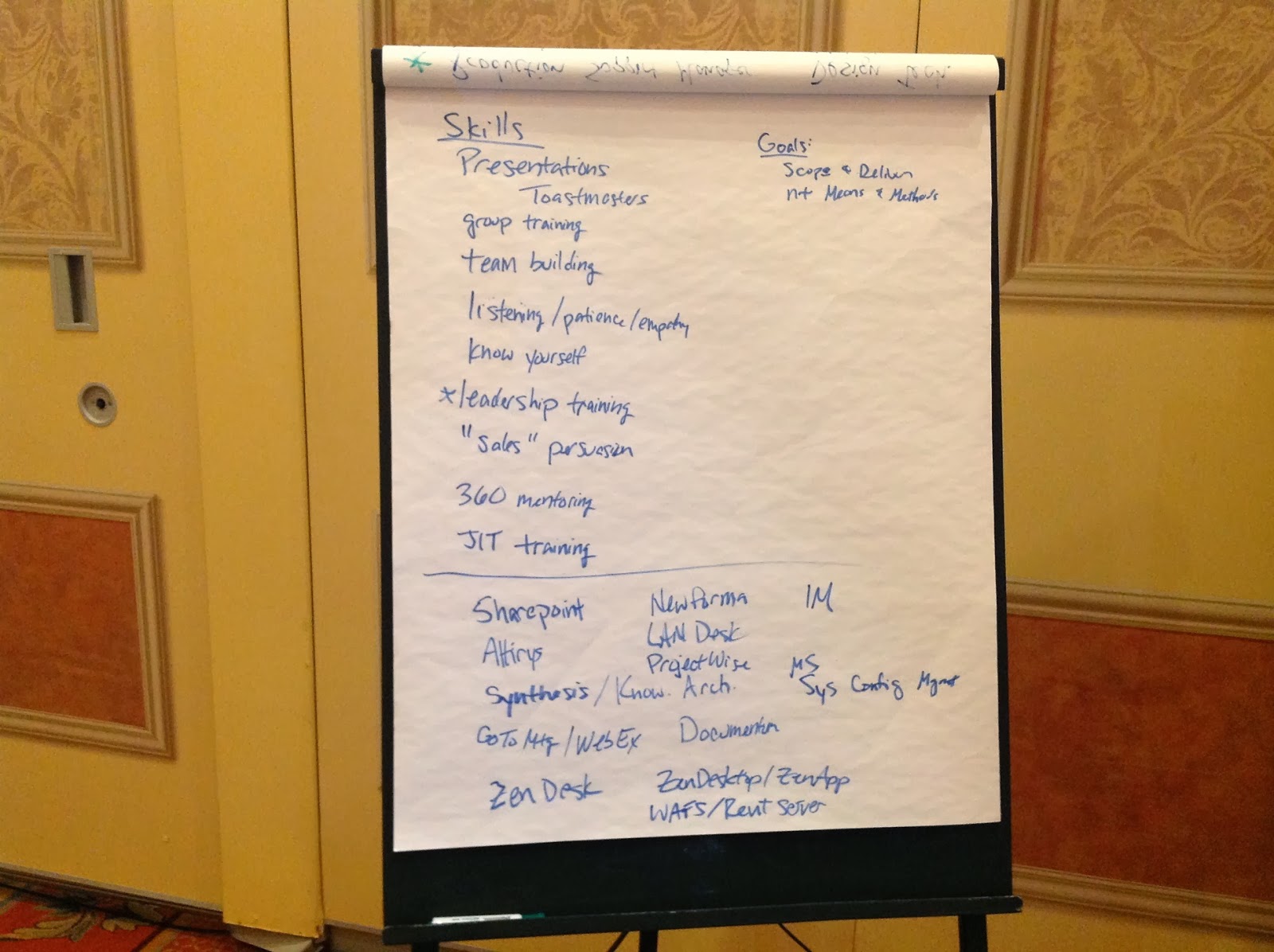
My AU2013 Run Down

It was an amazing event as usual. Meeting lots of technology/process enthusiasts, learning from experts and having fun with BIM geeks!

Before I set off for AU2013, I mentioned that I would like to focus more on Asset Information Modelling (AIM) so I focused more on AIM classes and peers this year.


As I mentioned in my blog post last month, AIM is happening now and it was good to see some of the classes reinforcing this.

See below some of my highlights of AU2013, in order.

Sunday

Monday - Computational BIM Workshop in the morning

Monday- Revit certification exam

Hurray!!! I am now Revit 2014 certified professional


The following is an image from James's LOD class. I was bit disappointed to hear that there was no link between LOD and project phases. Why not? If the BIM is genuinely used as a primary tool to author design then why can't clients have SD BIM model, DD BIM model, CD BIM model, record/as-built BIM model? How can clients/AEC industry decide what SD/DD/CD BIM model  mean without having a direct link between LOD and project phases?

For this very reason, I quite like UK's take on this subject. Level of Model Definition (LOMD) are directly linked to project phases and LOMD defines LOD (Level of geometric Detail) and LOI (Level of non graphical Information).


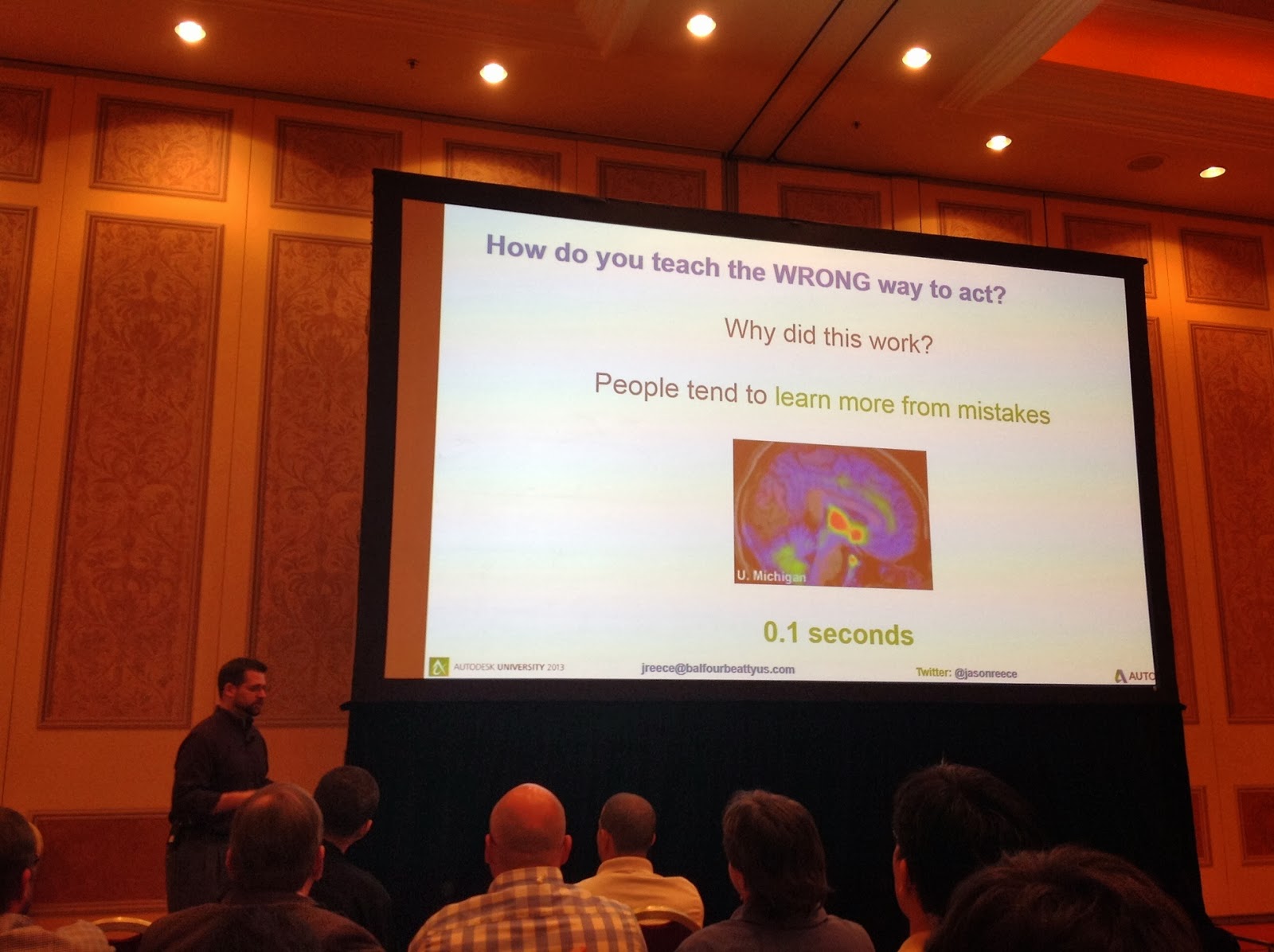
Following image is from a class which was brilliantly executed and very well thought out. The message was simple "one picture is better than 1000s of words" but the execution of the message was brilliant. For me, this class/speaker wins best class/speaker award.


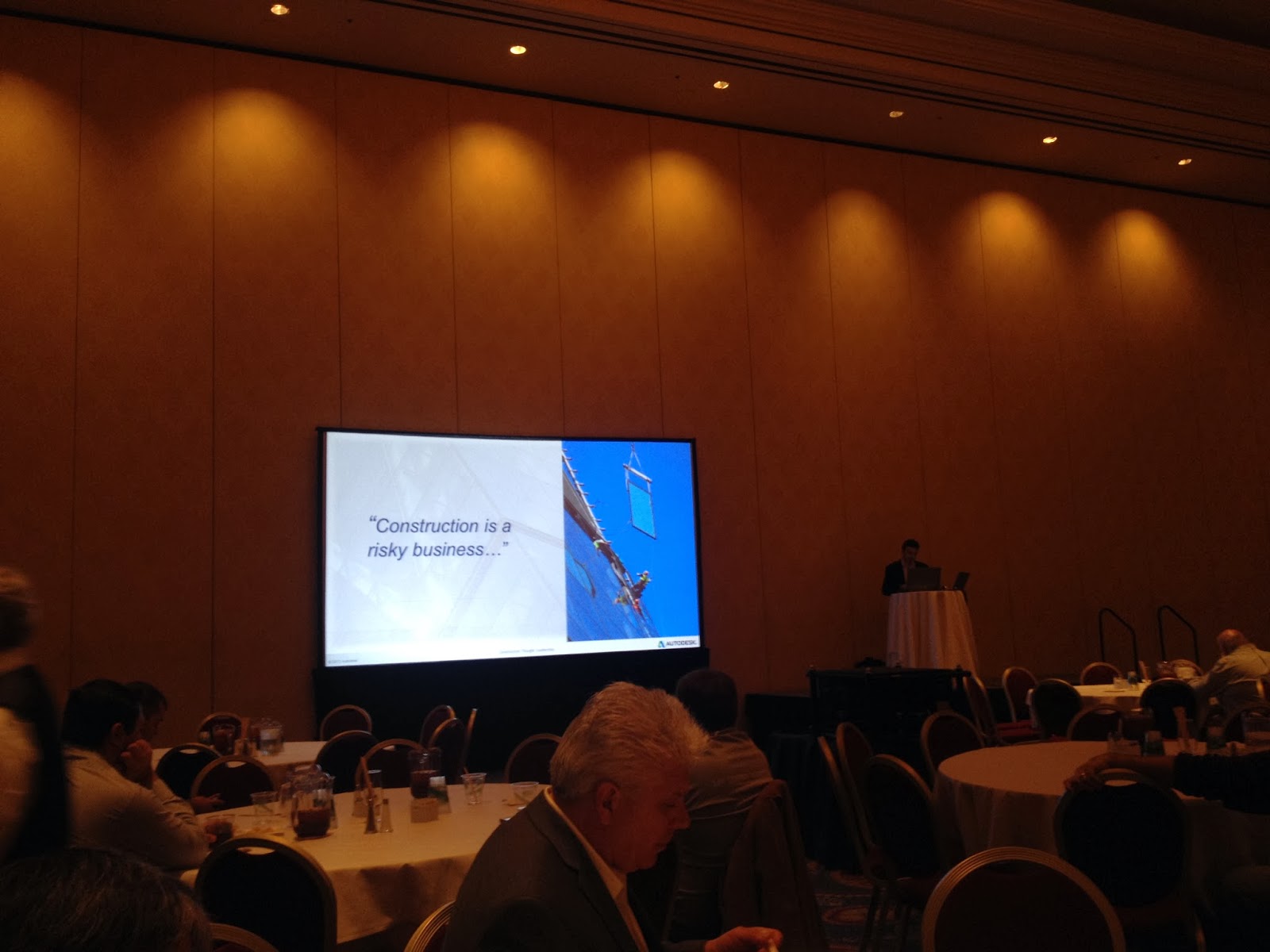
The conference was ended with this message. I couldn't agree more with this message. That's the reason why I was at AU to find out how can we de-risk our business using the latest digital technologies! ;-)


Wednesday, 18 December 2013

@StephenHamilNBS Level 2 BIM Master

Hurray!!!!

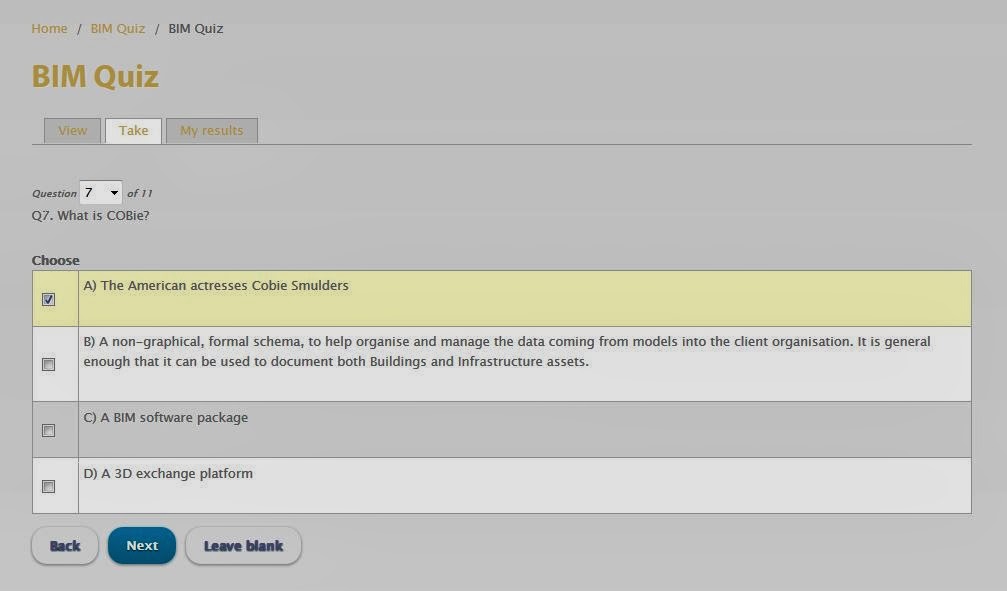
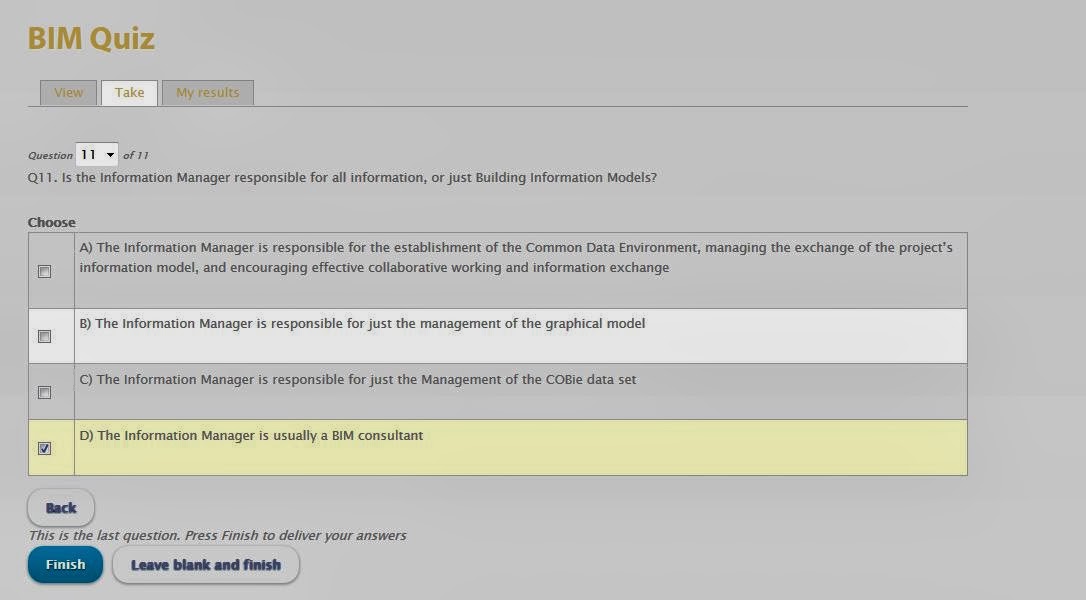
I have just passed the UK BIMTaskGroup's BIM quiz with 100%.
I am now a proud Level-2 BIM Master certified by the UK BIMTaskGroup.

Am I one the first 10 Level-2 BIM masters? I don't know but looks like it...-;)


There were couple of questions where I was not sure whether or not I should follow (current) general  perception of clients (images below?? you decide) or follow my own understanding (images below?? you decide). But at the end, as usual, I followed my own understanding and I passed with 100%!!!!


Friday, 29 November 2013

BIM: Is this a reality or still a vision?


What do you think?
Is this happening (not saying mainstream) now or still a vision?

My opinion is this is happening NOW! and looking forward to see something along this line at AU2013 next week.


Proactive BIM vs Reactive BIM

Before I leave for AU tomorrow, I thought I share some of my thoughts on these two fundamentally different BIM approaches.

After I tweeted about this few weeks ago I got couple of DMs asking to explain the difference between the two, and one was from a Client. Which was very encouraging.

So here we go!

ASSUMPTION MADE: The readers know the meaning of three words: Proactive, Reactive and BIM.

PROACTIVE BIM

When the project team is using BIM proactively (Proactive BIM), the design coordination happens automatically and clashes are identified and resolved as you design. If the clash cannot be resolved because it involves other discipline(s) then you raise that in your next possible design review workshop. PAS1192-2:2013 explains this process quite clearly.

Image Courtesy: PAS1192-2:2013

The closest analogy of this process is comparing this with Health & Safety on sites. The contractors community focuses on avoiding accidents on site in the first place rather then spending their energy in counting accidents and then report them and fix them. Can they be fixed? NO, because here we have lives involved and once accident happened it happened and we cannot fix it.

Likewise, Proactive BIM lets you focuses on avoiding design clashes to happen in the first place. The focus is not on clash counting (clash detection), reporting them and fix them.

WHAT ARE THE SIGNS OF PROACTIVE BIM

If all key members of the project team have each others' models linked in their authoring BIM software constantly while developing their BIM model then you know they are being proactive in avoiding clashes.

REACTIVE BIM

Reactive BIM is just that, reactive. If you are relying on "clash detection" to tell you how many clashes your design has and then fix them then you are doing "Reactive BIM", which defeats the whole purpose of using BIM for improved design coordination. I don't want to write more on this as 'Reactive BIM' is a dead end for me so no point wasting my time/energy on it.

WHAT ARE THE SIGNS OF REACTIVE BIM

There are many. But one of the signs is, when you see the team is relying on a third party BIM consultant to tell them how many clashes they have and then fix them then it is Reactive BIM.


Clients want to see Proactive BIM so that they receive well coordinated design at every step of the project, inherently. Smart clients are using clash detection to QA check the level of design coordination.

So to summarize this, Proactive BIM is the way forward and clash detection is the way to QA check level of design coordination.